The Best Companion Plants For Your Carnivorous Friends
The Best Companion Plants for Your Carnivorous Friends
Carnivorous plants are fascinating creatures that trap and eat insects. They are a popular choice for gardeners who want to add a touch of the wild to their home. But did you know that there are some plants that can actually benefit carnivorous plants? These are known as companion plants, and they can help to improve the health and growth of your carnivorous friends.
In this blog post, we will discuss the best companion plants for carnivorous plants. We will also talk about why companion planting is important, and how to choose the right plants for your needs.
Why Companion Planting is Important
Companion planting is the practice of planting certain plants together in order to benefit each other. There are many reasons why companion planting is important, but some of the most common benefits include:
- Increased pollination: Some plants attract pollinators, which can help to pollinate your carnivorous plants. This is important for carnivorous plants that rely on insects for food.
- Improved pest control: Some plants can help to repel pests, which can help to protect your carnivorous plants from damage.
- Improved soil health: Some plants can help to improve the soil quality, which can benefit the growth of your carnivorous plants.
How to Choose Companion Plants for Carnivorous Plants
When choosing companion plants for carnivorous plants, there are a few things to keep in mind:
- The needs of the carnivorous plant: Some carnivorous plants have specific needs, such as requiring full sun or acidic soil. Make sure to choose companion plants that will complement the needs of your carnivorous plant.
- The size of the plant: Carnivorous plants come in a variety of sizes, so it is important to choose companion plants that are the same size or smaller. This will help to prevent the companion plants from shading out the carnivorous plant.
- The type of plant: Some plants are better suited to be companion plants than others. For example, plants that attract pollinators are a good choice for carnivorous plants that rely on insects for food.
Some of the Best Companion Plants for Carnivorous Plants
Here are some of the best companion plants for carnivorous plants:
- Toadflax: Toadflax is a flowering plant that attracts pollinators, which can help to pollinate your carnivorous plants. It is also a good source of nectar, which can provide food for your carnivorous plants.

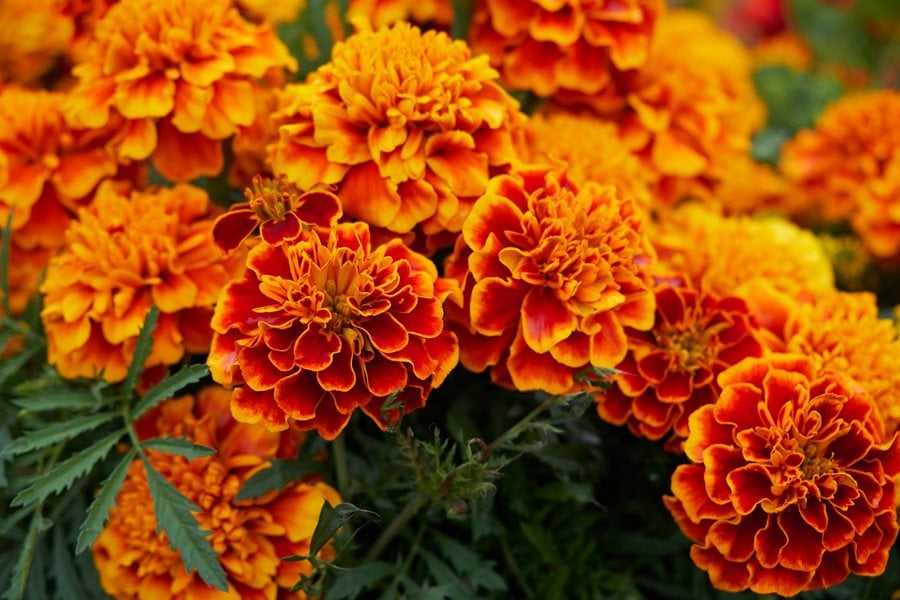
- Marigolds: Marigolds are another flowering plant that attracts pollinators. They also have insect-repelling properties, which can help to protect your carnivorous plants from pests.
- Heather: Heather is a low-growing shrub that is tolerant of acidic soil. It is a good choice for companion planting with carnivorous plants that require acidic soil, such as Venus flytraps.
- Sarracenia: Sarracenia is a genus of carnivorous plants that includes pitcher plants. Pitcher plants are attractive to insects, which they trap and eat. Sarracenia can be a good companion plant for other carnivorous plants, as it can help to attract insects to the area.

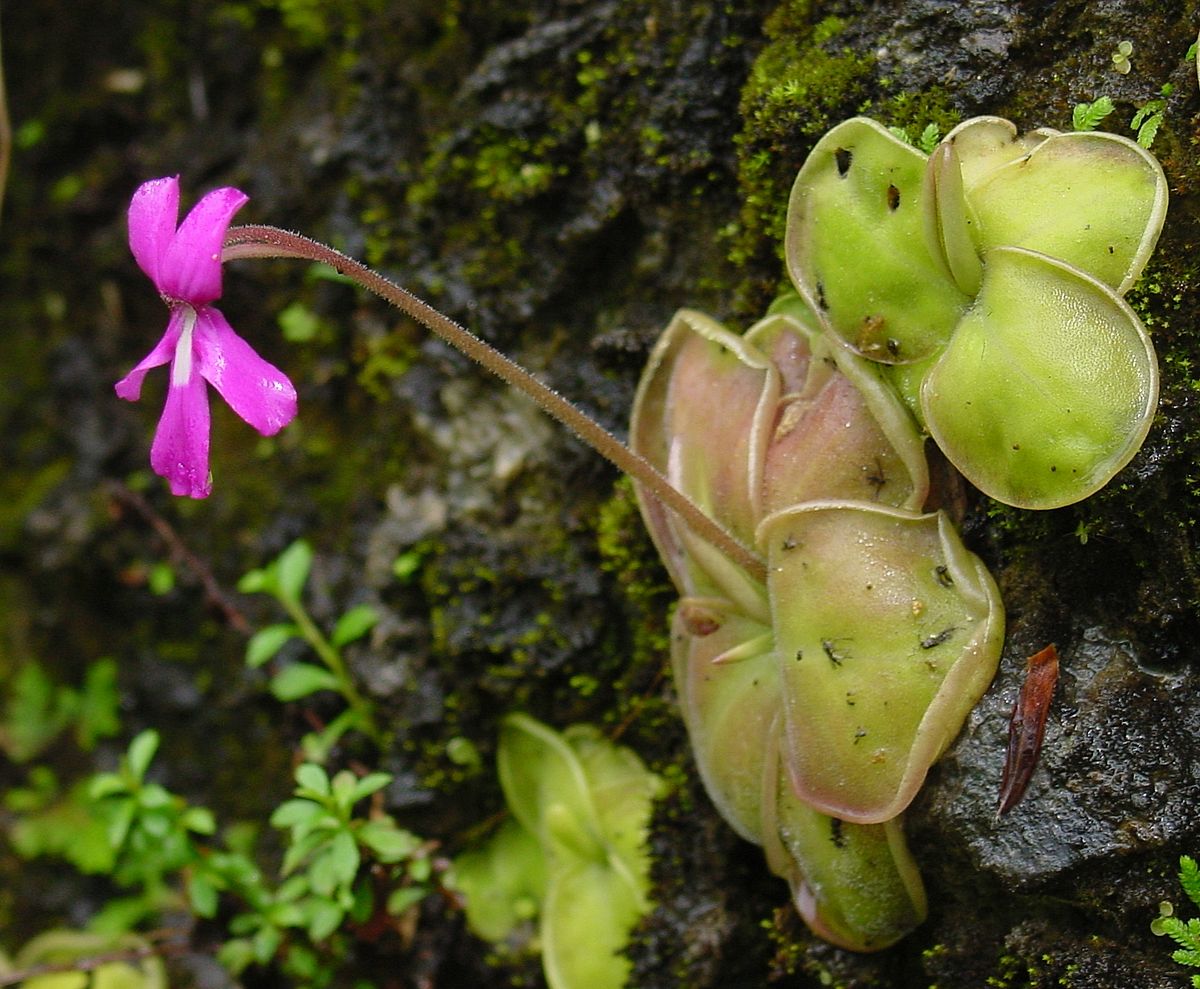
- Pinguicula: Pinguicula is a genus of carnivorous plants that includes butterworts. Butterworts are attractive to insects, which they trap and eat with their sticky leaves. Pinguicula can be a good companion plant for other carnivorous plants, as it can help to attract insects to the area.
Conclusion
Companion planting is a great way to improve the health and growth of your carnivorous plants. By choosing the right plants, you can help to attract pollinators, repel pests, and improve the soil quality. This will help your carnivorous plants to thrive and produce beautiful flowers.
Carnivorous plants are fascinating creatures that trap and digest insects. They can be grown indoors or outdoors, but they do best in moist, acidic soil. If you're thinking about adding carnivorous plants to your garden, you may be wondering what kind of companion plants would work well with them.
There are a few things to keep in mind when choosing companion plants for carnivorous plants. First, you'll want to choose plants that have similar water and sunlight requirements. Carnivorous plants need to be kept moist, so you'll want to avoid planting them with plants that like to dry out. You'll also want to choose plants that are tolerant of acidic soil.
Some good companion plants for carnivorous plants include:
- Sundews
- Pitcher plants
- Bladderworts
- Venus flytraps
- Sarracenia
- Nepenthes
These plants all thrive in moist, acidic soil, and they won't compete with carnivorous plants for food. They can also help to attract insects to your carnivorous plants, which will provide them with a food source.
If you're looking for more information about companion plants for carnivorous plants, I recommend visiting Gardenia Inspiration. This website has a comprehensive list of companion plants for carnivorous plants, as well as information on how to care for them.
FAQ of companion plants for carnivorous plants
Q: What are companion plants?
A: Companion plants are non-carnivorous plants that can be grown alongside carnivorous plants to create a more natural-looking environment and to provide some benefits to the carnivorous plants.
Q: What are the benefits of planting companion plants with carnivorous plants?
A: Companion plants can provide a number of benefits to carnivorous plants, including:
- Attracting prey: Some companion plants, such as sundews, produce nectar that attracts insects, which can then be eaten by the carnivorous plants.
- Providing shade: Some companion plants, such as ferns, can provide shade for carnivorous plants, which can help to protect them from the hot sun.
- Improving drainage: Some companion plants, such as mosses, can help to improve the drainage of the soil around carnivorous plants, which can help to prevent the roots from rotting.
- Adding interest: Companion plants can add interest to a carnivorous plant display, and they can also help to disguise the carnivorous plants' traps, which can be a deterrent to some people.
Q: What are some good companion plants for carnivorous plants?
A: Some good companion plants for carnivorous plants include:
- Sundews: Sundews are a type of carnivorous plant that produces sticky droplets that trap insects. They are a good companion plant for carnivorous plants because they attract prey and help to improve the drainage of the soil.
- Ferns: Ferns are a type of non-carnivorous plant that can provide shade for carnivorous plants. They are also a good choice for companion plants because they are relatively low-maintenance.
- Moss: Moss is a type of non-carnivorous plant that can help to improve the drainage of the soil around carnivorous plants. It is also a good choice for companion plants because it is easy to care for and it adds interest to a carnivorous plant display.
- Sarracenia: Sarracenia is a type of carnivorous plant that is known for its pitcher traps. It is a good companion plant for other carnivorous plants because it helps to attract prey and it can tolerate a wide range of growing conditions.
Q: How do I plant companion plants with carnivorous plants?
A: When planting companion plants with carnivorous plants, it is important to choose plants that have similar growing requirements. It is also important to plant the companion plants in the same type of soil as the carnivorous plants.
To plant companion plants with carnivorous plants, follow these steps:
- Choose a pot that is large enough for both the carnivorous plants and the companion plants.
- Fill the pot with a mixture of peat moss and sand.
- Plant the carnivorous plants in the center of the pot.
- Plant the companion plants around the carnivorous plants.
- Water the plants thoroughly.
Image of companion plants for carnivorous plants
5 different images of companion plants for carnivorous plants from Pinterest:
- Sarracenia and Drosera
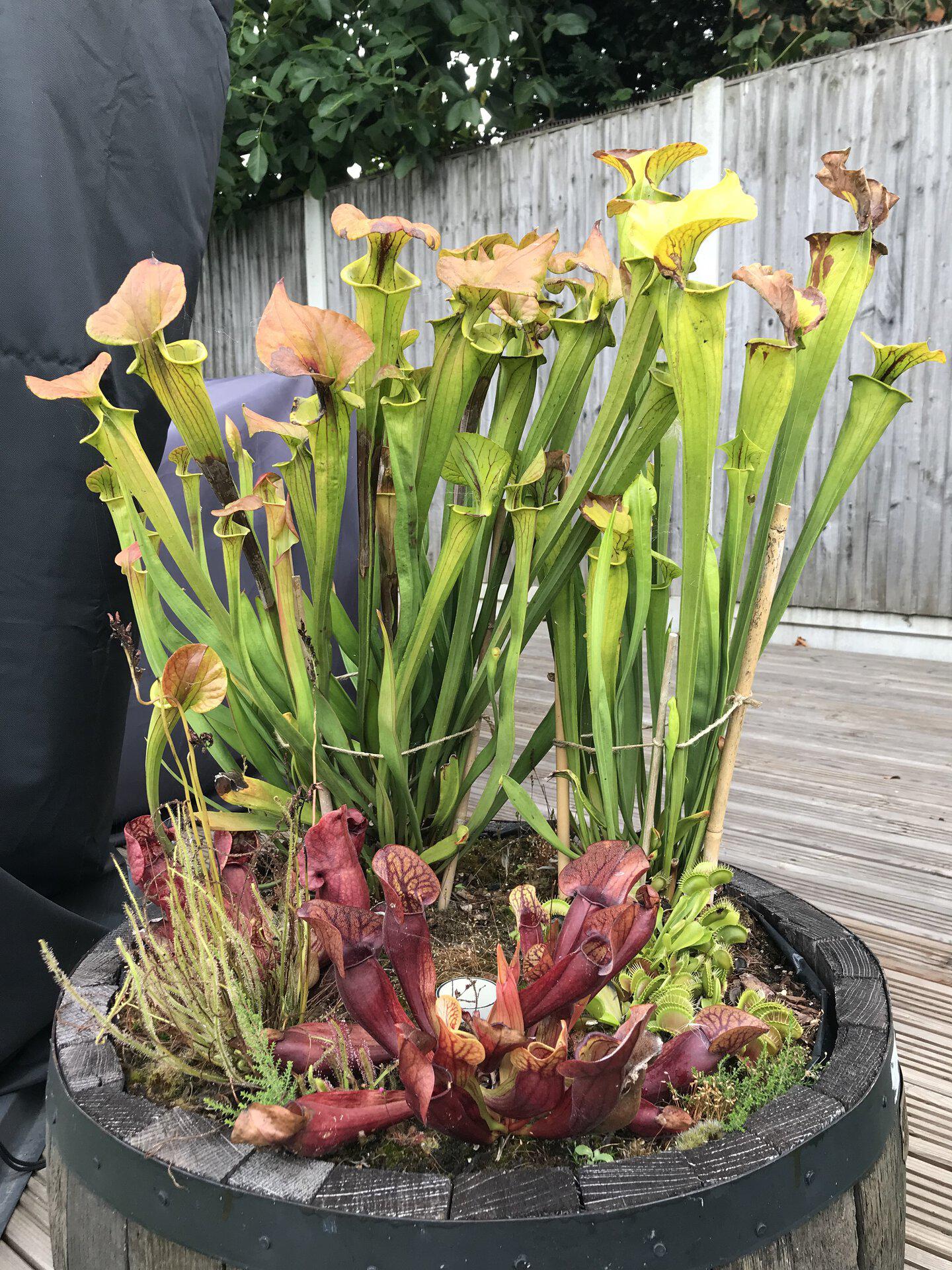 These two plants are both bog plants, so they have similar growing conditions. Sarracenia is a pitcher plant, while Drosera is a sundew. They can help each other by attracting insects and providing shade.
 - Pinguicula and Nepenthes
 Pinguicula is a butterwort, while Nepenthes is a pitcher plant. They can help each other by attracting insects and providing shade.
 - Toteme and Venus Flytrap Toteme is a carnivorous plant that is native to South Africa. It is a small plant that grows in clumps. It can help attract insects to the Venus Flytrap.
- Sarracenia and Bromeliads
 Bromeliads are epiphytic plants, which means they grow on other plants. They can help provide shade and humidity for Sarracenia.
 - Gloxinia and Venus Flytrap
Gloxinia is a flowering plant that is native to South America. It can help attract insects to the Venus Flytrap.

Post a Comment for "The Best Companion Plants For Your Carnivorous Friends"